Add your promotional text...
🔎Location Detective: Where Exactly Orient Express Was Stuck in Snow?
Follow a Location Detective investigation to discover where the Orient Express was truly “buried” in snow in the 1974 film — and learn how you can visit the exact spot today as part of a larger Murder on the Orient Express journey.
LOCATION DETECTIVE
A-Z LiteraTours
7/9/20265 min read
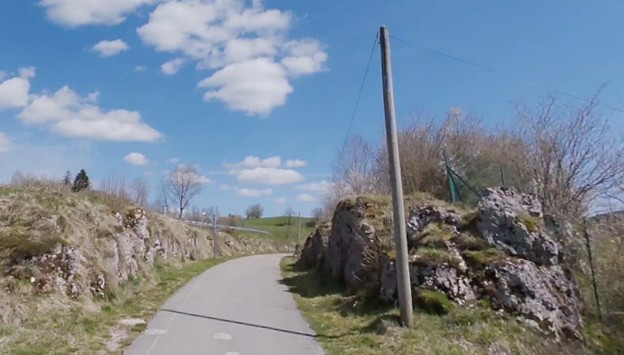
The Montbenoît cutting
Location Detective: Where Exactly Orient Express Was Stuck in Snow?
The Dramatic Snow Siege
Agatha Christie’s Murder on the Orient Express is filled with drama — kidnapping, murder, revenge — but the emotional intensity of the story is magnified by its setting. The train is trapped in a remote snowstorm, cut off from the outside world, forcing Poirot to investigate in complete isolation.
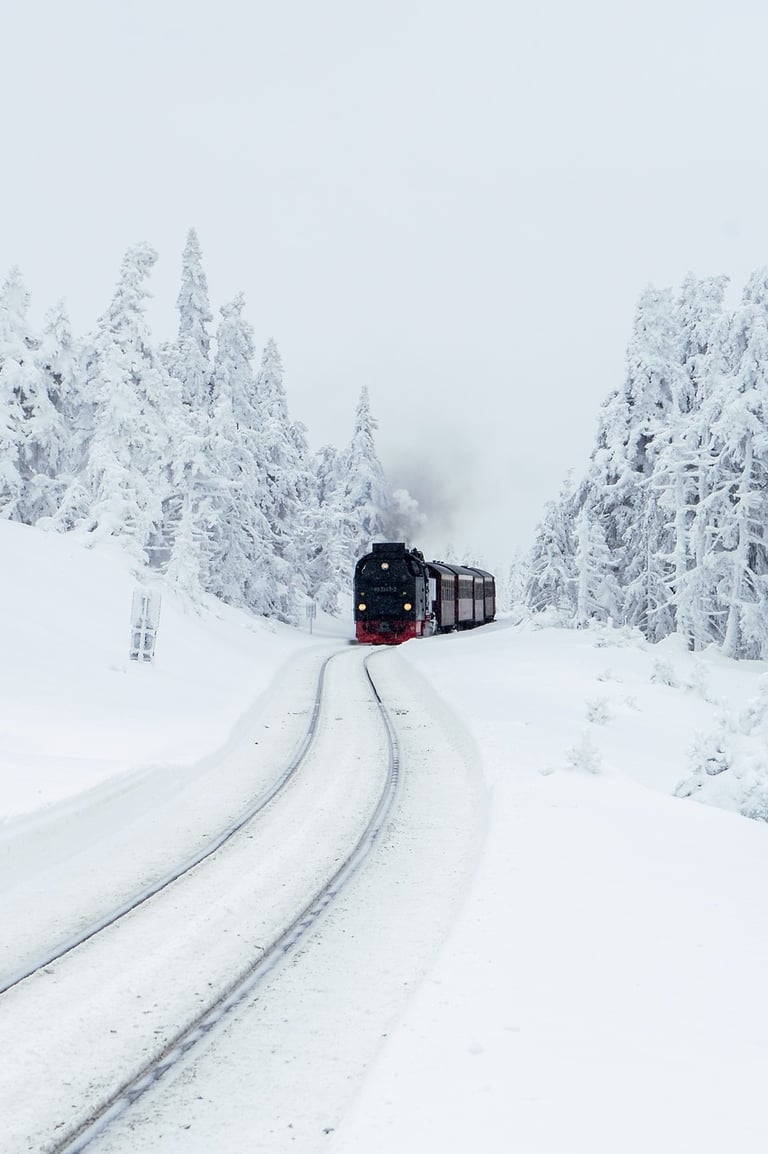
Sidney Lumet’s 1974 film adaptation captures this atmosphere brilliantly. The snow‑covered landscape outside the carriage windows becomes part of the mystery itself, heightening the tension of the unfolding investigation.
Where Was the Train Trapped?
Can you visit the real location of the snowbound Orient Express?
According to the novel, the train is halted somewhere in the Balkans, between the Croatian towns of Vinkovci and Brod (now Slavonski Brod). The railway line between them is just over 50 km (30 miles), and you can indeed travel it today — a fun literary pilgrimage in its own right.
But what about the film? Can you stand where the 1974 movie shows the train buried in snow, and see the same views that appear in the windows during the investigation?
The answer is yes.
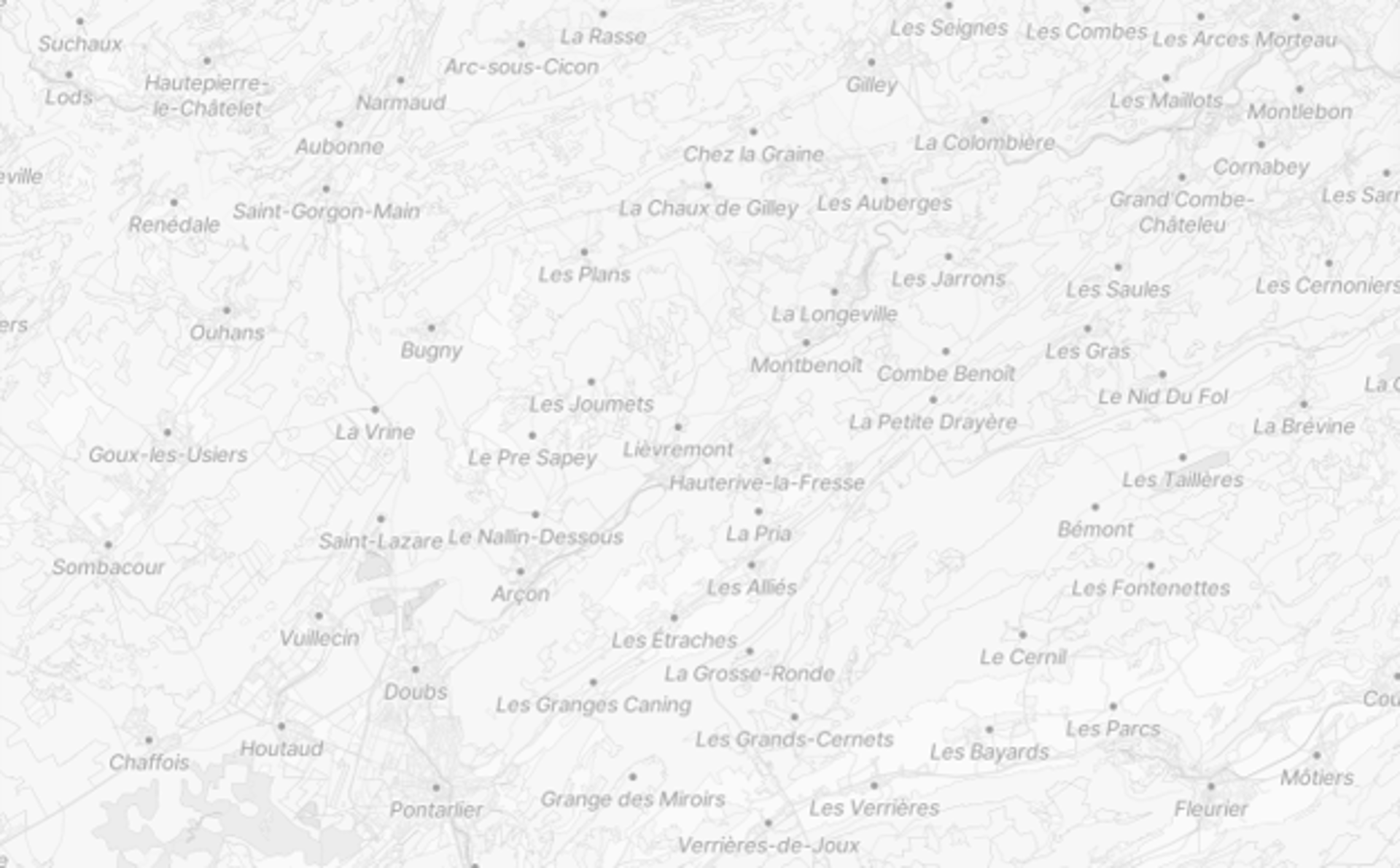
🎥 According to open sources (Trains Oubliés Vol. 2), the snow‑trap scenes were filmed not in Croatia but in France’s Jura Mountains, near the Swiss border. The production used a 22‑km (14‑mile) stretch of a then‑closed railway between Pontarlier and Gilley in the Doubs region. The iconic “snow blockade” shot was filmed in a cutting near Montbenoît, a town roughly two‑thirds of the way along the route from Pontarlier.
How to See It in Person
Is this information enough to visit the site and recreate the film’s atmosphere? In principle, yes — but locating the exact filming spot requires time, patience, and detective work.
The former railway has since been converted into a walking and cycling trail. To find the precise location, you would need to explore the 22‑km stretch, paying special attention to the area near Montbenoît.
If you arrived tomorrow, you would still need answers to key questions:
How do you reach the area from major transportation hubs?
What exactly is the Montbenoît “cutting”?
Where should you stand to match the camera angle in the final “train released” scene?
How can this visit fit into a larger Murder on the Orient Express itinerary?
To solve these questions, we applied our Location Detective approach.
The Approach
Finding filming locations like this requires a combination of tools:
geographical maps
satellite imagery
Google Maps and Street View
careful frame‑by‑frame analysis of the film
patience and observation
The window views in the second half of the film — snowy hills, dark track, a small river — offer atmosphere, but few identifiable landmarks.
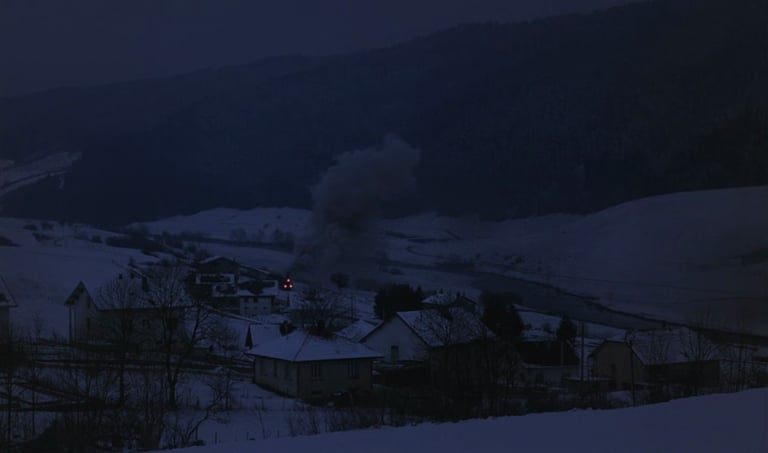
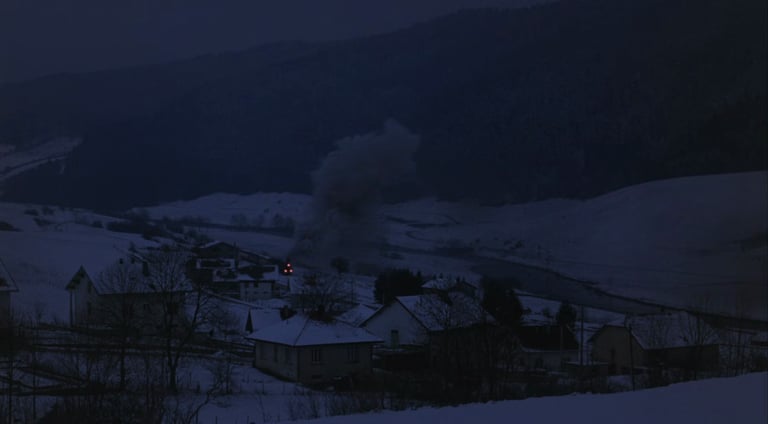
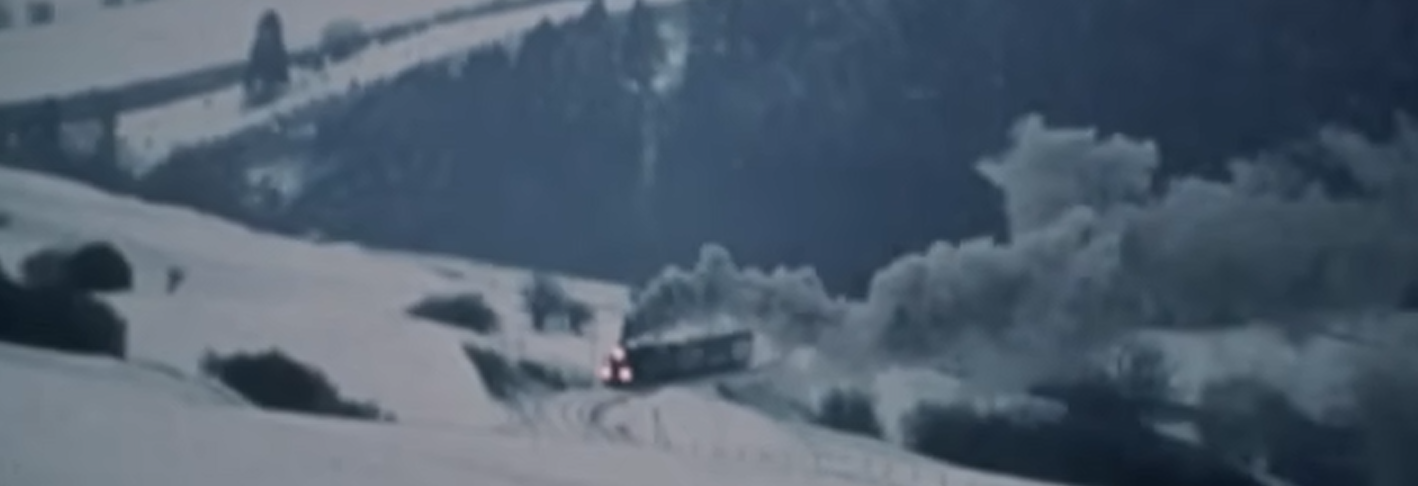
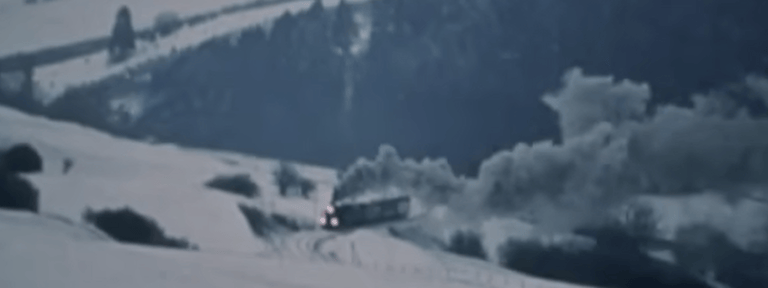
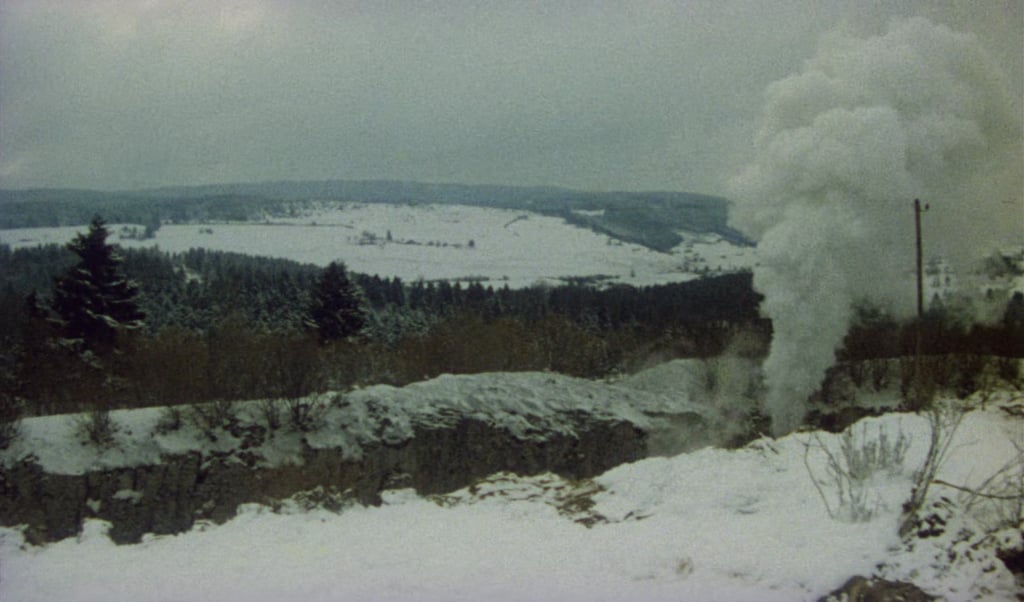
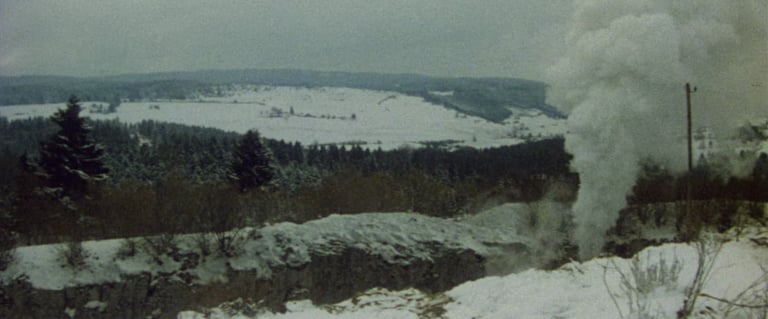
The breakthrough came from the final scene, where the freed locomotive pushes forward, its smokestack visible while the rest of the train remains hidden. That shot reveals the nature of the “cutting”: a trench deep enough that only the top of the locomotive is visible.
Looking for the Cutting
Aerial maps of the former railway showed nothing — the cutting was too small to be visible from above. We needed ground‑level images.
Because the location is rural France, far from major towns, online photos were scarce. Google Street View offered limited coverage: the former railway is now a hiking trail, not a road.
After reviewing many images, we finally found a promising candidate: a 300–400 m stretch of the former track, now called Chemin du Train, sunk roughly 2–3 metres (7–10 feet) into the rocky ground. This section lies about 2 km south of Montbenoît.
Given that the trench would have been deeper in 1974 — likely 4–5 metres (13–16 feet) — the location matched the film’s final shot.
But we needed proof.
The Final Proof
Chemin du Train runs north–south — the same direction the train moves in the film. The nearby regional road D251 offered no useful Street View angles.
But another road, Grande Rue (D304), passes close to the cutting from the west — and did have Street View.
That was the moment everything clicked.
The eastward view from D304 matched the film’s final shot perfectly:
the sideways view of the trench
the berm with bushes on the opposite side
old wooden telegraph poles
the skyline and contours of the surrounding hills
This confirmed the filming location: Chemin du Train, just east of the intersection of D304 and D251.
The train in the film moves north to south, and the camera was positioned on D304, just west of the cutting — a convenient spot for the film crew.
As an additional confirmation, a section roughly 300 m north of the final‑scene location matches the earlier movie scene where the engineers inspect the blocked track.
We Found It
So where is the real snow‑trap location?
It lies in eastern France, a few kilometres west of the Swiss border and not far from Lake Neuchâtel. The nearest major city is Lausanne, and the area is easily accessible.
Why visit?
- The Jura Mountains and nearby Swiss lakes are spectacular.
- You can rent a bike in Pontarlier and ride along Chemin du Train, following the exact route used in the 1974 film.
- You can incorporate this stop into the full Murder on the Orient Express literary and film tour, offered by A-Z LiteraTours.
Our tour includes:
- the snow‑siege filming location
- the stations where the Taurus Express and Orient Express depart
- the hotels where Poirot stayed
- the Bosphorus pier he used when he crossed into Istanbul
- and every known filming and story location connected with the novel and the film
We’ve already done the detective work — found filming locations, provided practical recommendations and sample scheduling of your trip. All you need to do is enjoy the journey.
If you’d like to follow Hercule Poirot’s route across Europe, explore our Murder on the Orient Express tour in the A‑Z LiteraTours Catalogue. Click the image below to see the full catalogue of our tour itineraries:


Get in touch
Note: Our Social Networks links will be available soon
Film stills appearing on A‑Z LiteraTours are reproduced solely for critical commentary and educational analysis under Canada’s fair‑dealing framework. All rights to the original works remain with their copyright owners.


Click on the image below to see Terms & Conditions:
Cinematic & Literary Travel Experiences by A‑Z LiteraTours