Add your promotional text...
The Beatles' London: More Than Abbey Road
Abbey Road may be London's most famous Beatles landmark, but it is only one chapter of a much larger story. Discover how Britain's capital helped transform four young musicians from Liverpool into a global phenomenon, and why Beatles fans continue to visit the city more than half a century later.
MUSIC HISTORY
A-Z LiteraTours
7/9/20266 min read
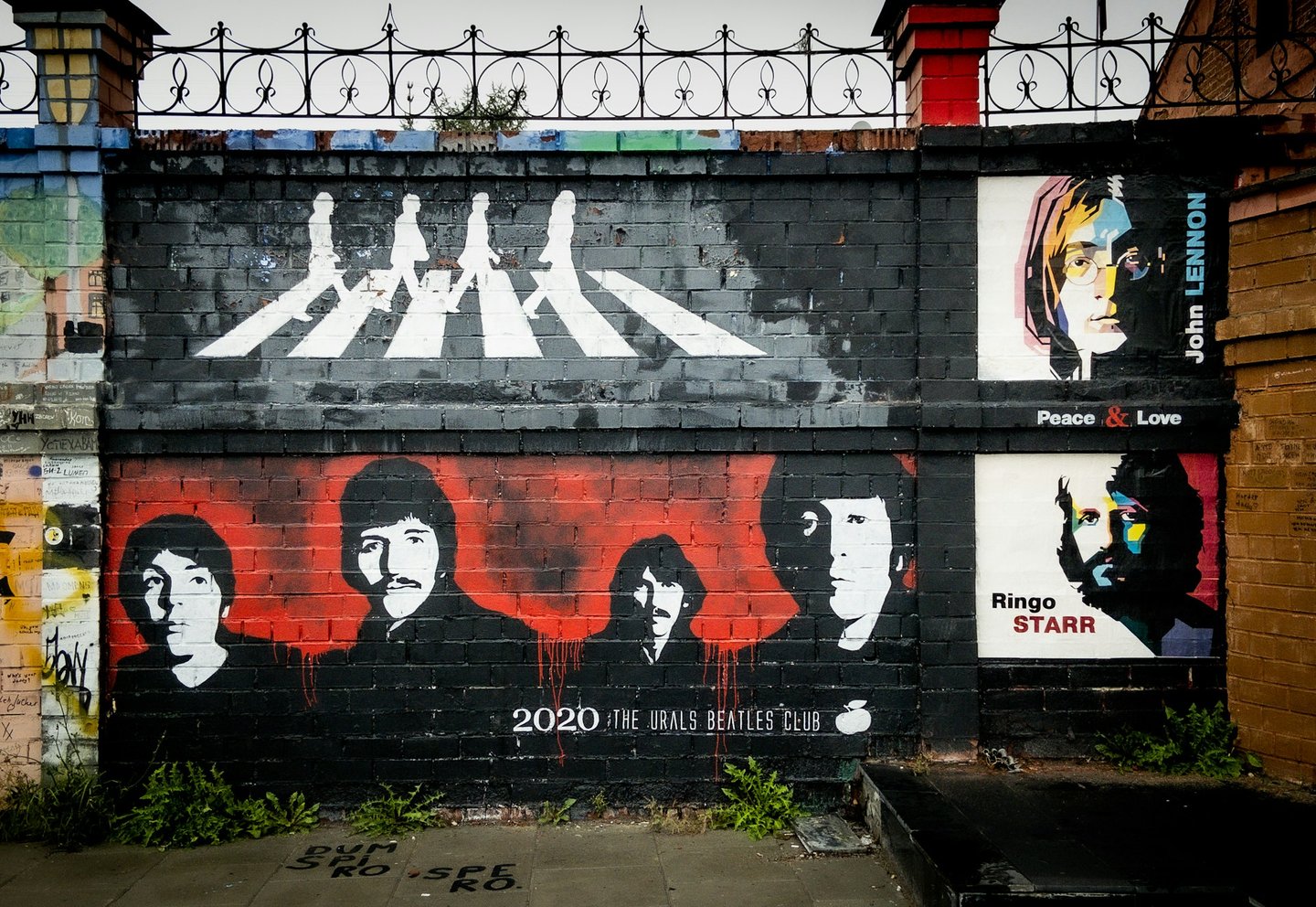
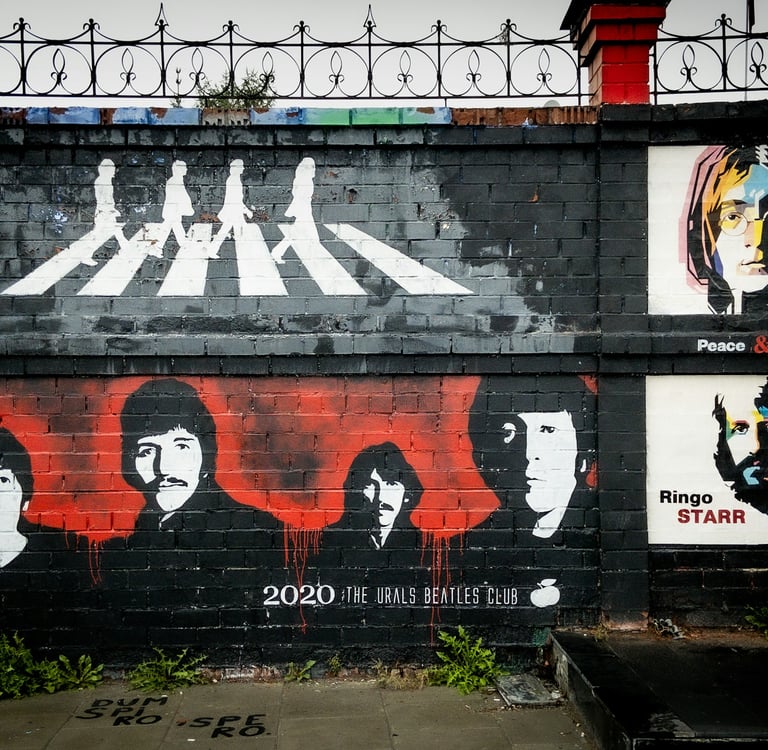
The Beatles' London: More Than Abbey Road
Why the world's most famous zebra crossing is only the beginning of the Beatles' remarkable story in Britain's capital
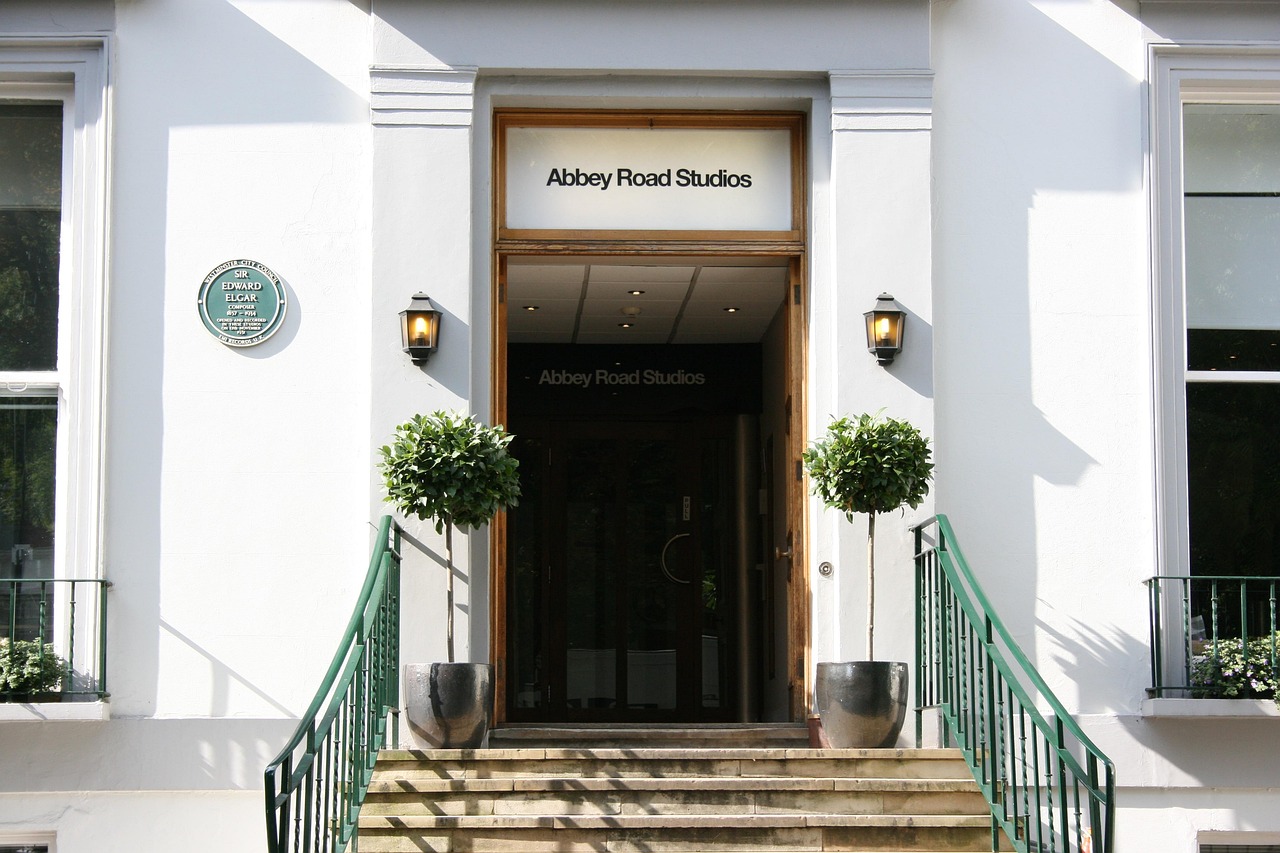
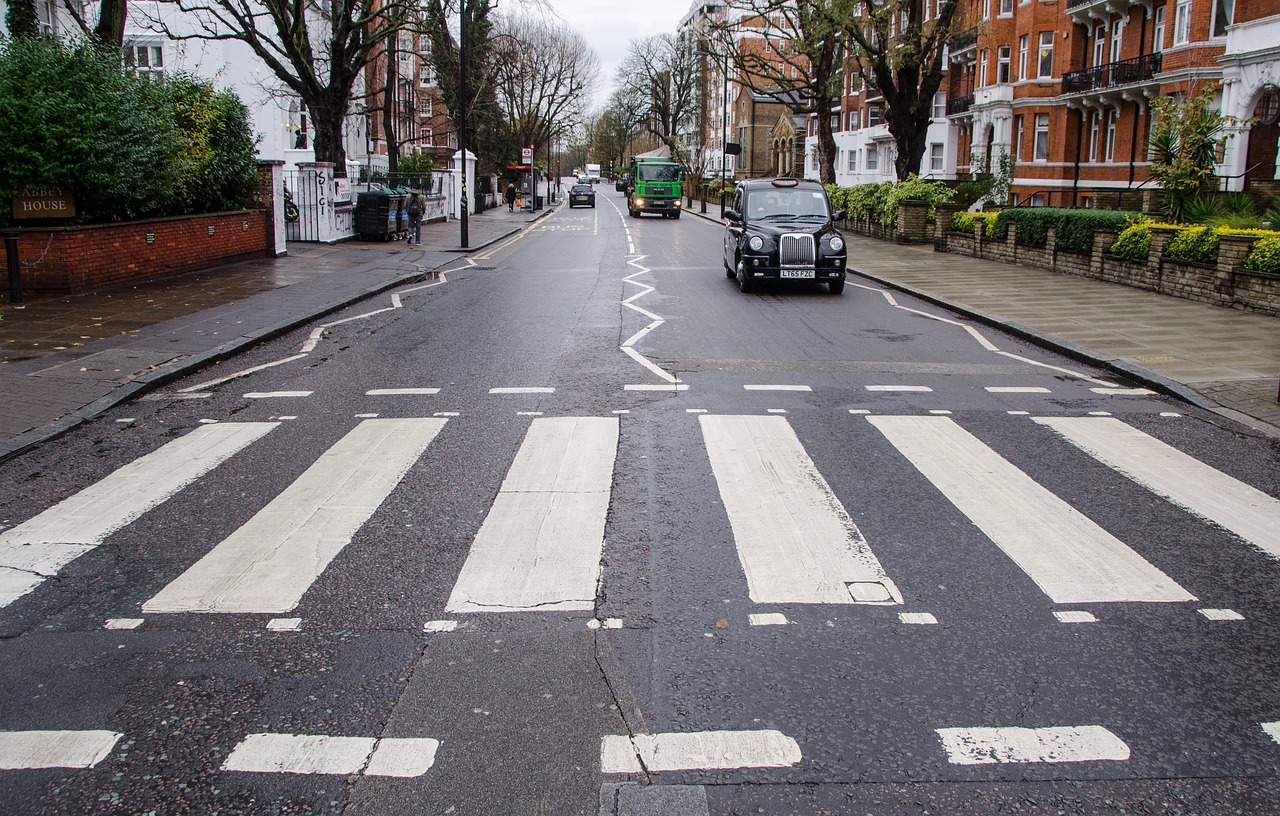
Ask someone to name a Beatles landmark in London and chances are they'll mention Abbey Road. The famous zebra crossing outside Abbey Road Studios has become one of the world's most photographed pieces of road, attracting visitors from every corner of the globe. For many, it symbolizes the Beatles' enduring connection with London.
Yet Abbey Road is only one chapter of a much larger story.
Long before tourists lined up to recreate an album cover, London had already become the city where four young musicians from Liverpool evolved into a global cultural phenomenon. It was here that they recorded groundbreaking albums, appeared on television, met journalists from around the world, established their own company, and became central figures in the cultural revolution that defined the 1960s.
To understand the Beatles' extraordinary success, it is impossible to separate the band from the city that helped shape its public identity. Yet the Beatles' London extends far beyond the famous zebra crossing. It is a story written across theatres, studios, rooftops, and streets that still echo with the music of the 1960s.
Liverpool Created the Beatles. London Introduced Them to the World.
The Beatles' story rightly begins in Liverpool. It was there that John Lennon, Paul McCartney, George Harrison, and later Ringo Starr developed their musical style and built the experience that would eventually make them one of the greatest bands in history.
But London offered something Liverpool could not.
Britain's capital was the centre of the country's recording industry, national media, publishing, television, and entertainment business. Success in London meant national attention. National attention soon became international recognition.
As Beatlemania gathered momentum, London became both the stage on which the Beatles performed and the city from which their influence spread across the world.
More Than Concert Venues
It is easy to imagine the Beatles' London as a collection of famous concert halls. In reality, their connection with the city was far richer.
Their story unfolded in recording studios, theatres, television studios, offices, hotels, restaurants, photographers' studios, and countless ordinary streets that quietly witnessed extraordinary moments in popular music.
Some of these places became internationally famous. Others remain almost unnoticed by visitors walking past them every day.
Together, they form a fascinating portrait of a city that was not merely hosting the Beatles—it was growing alongside them.
Moments That Changed Music History
Certain places in London became important not because they were beautiful or architecturally remarkable, but because history happened there.
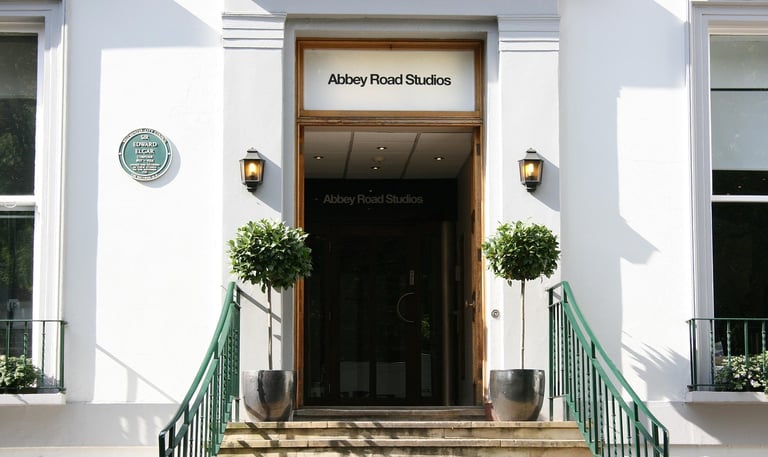
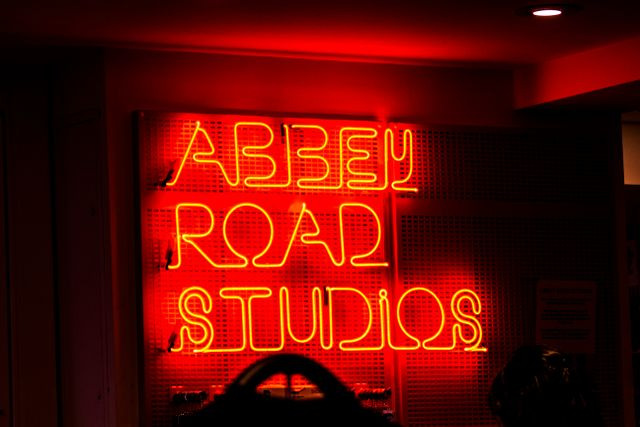
Abbey Road Studios became the birthplace of albums that transformed modern music. The headquarters of Apple Corps reflected the band's growing artistic ambitions and desire for creative independence.
The rooftop concert in Savile Row, performed on a cold January afternoon in 1969, brought London's traffic to a standstill and became the Beatles' final public performance—a farewell that has since become one of rock music's defining images.
Across the city, theatres welcomed audiences eager to witness Beatlemania firsthand, while television studios carried the band's performances into millions of homes.
Each location tells part of a larger story. Taken together, they reveal how London became woven into the history of the Beatles themselves.
London Beyond Abbey Road
Abbey Road may be the Beatles' best-known address in London, but it represents only one thread in a much richer story.
Across the city, a number of places witnessed defining moments in the band's remarkable journey. The London Palladium, for example, became one of the early stages on which Beatlemania revealed itself to a national audience. Performances in the West End confirmed that the excitement surrounding four musicians from Liverpool was becoming a cultural phenomenon.
A little farther south, Savile Row became synonymous with a different chapter of the Beatles' story. It was here that Apple Corps established its headquarters, and where, on a cold January afternoon in 1969, the band gave its unforgettable rooftop concert—its final public performance and one of the most iconic moments in rock history.
Then there was Soho, the creative heart of Swinging London. During the 1960s, its streets were alive with recording companies, music publishers, clubs, cafés, photographers, journalists, and artists. The Beatles were only one part of this extraordinary cultural landscape, but their presence helped define an era that transformed London into one of the world's musical capitals.
The city's influence also extended into its television studios and theatres. Programmes produced by the BBC and other broadcasters carried the Beatles into millions of homes, while performances on London's stages introduced them to audiences far beyond Merseyside. These places may not attract the same attention as Abbey Road, yet they played an equally important role in turning a successful British band into an international phenomenon.
Seen together, these landmarks tell a story that no single location can capture. Abbey Road remains the most recognisable symbol of the Beatles' London, but it is only one chapter in a city whose streets, studios, theatres, and rooftops witnessed the rise of modern popular music.
Why Beatles Fans Still Come to London
Knowing where these moments took place is one thing. Standing where they happened is something quite different.
More than half a century after the Beatles went their separate ways, visitors continue to travel to London in search of the places where music history was made. They come not only to see famous landmarks but to experience the settings where creativity, ambition, and cultural change came together to shape one of the world's most influential bands.
Some of these places remain instantly recognisable.
Others require a little curiosity to discover.
A seemingly ordinary building may once have housed a pioneering recording company. An unassuming street may have witnessed an iconic photograph. A quiet corner of Soho may recall the creative energy that helped define an entire generation.
Exploring these places is not simply about collecting photographs. It is about understanding how a city became part of one of the twentieth century's greatest cultural stories.
Standing outside a recording studio or walking along a familiar street does not recreate the excitement of the 1960s. But it does offer something equally valuable. It allows visitors to connect the stories they have known for years with the places where those stories unfolded.
That simple connection between story and place lies at the heart of literary and film tourism—and musical journeys are no different.
A City That Still Echoes with Music
London has changed enormously since the Beatles first arrived from Liverpool.
Buildings have been renovated, businesses have disappeared, and entire neighbourhoods have evolved. Yet traces of the Beatles remain scattered throughout the city for those willing to look beyond the obvious.
Abbey Road may always be the most recognisable symbol of their London story, but it is only the beginning.
The real story stretches across theatres, studios, offices, rooftops, and streets where four musicians found opportunities that transformed not only their own lives but the history of popular music.
For Beatles fans, exploring London is therefore about much more than visiting famous landmarks. It is about discovering how one remarkable city helped shape one of the world's most extraordinary musical journeys.
Continue the Journey
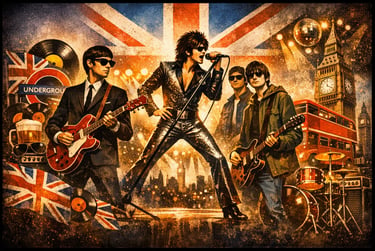
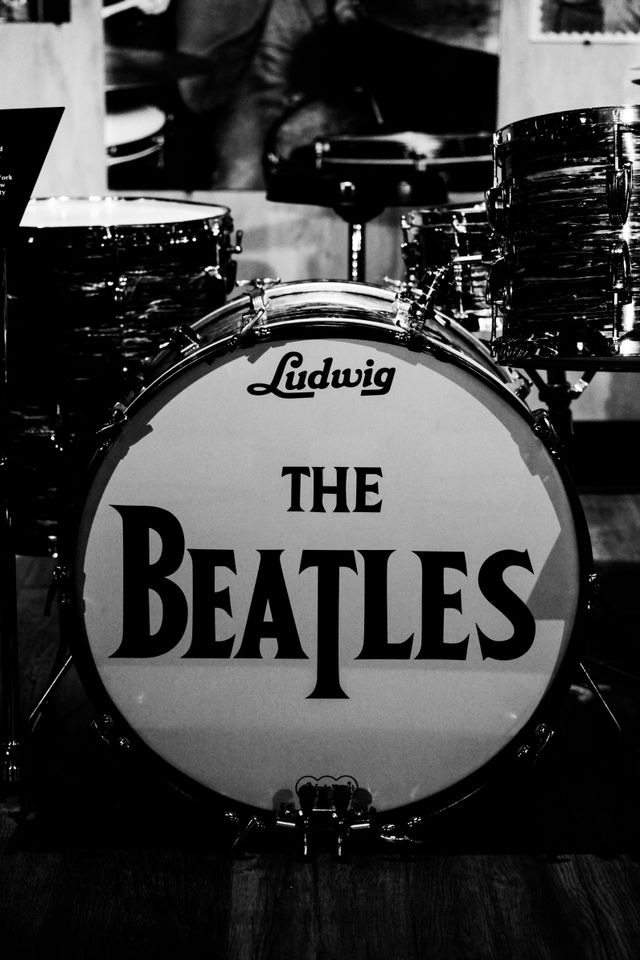
London's Beatles story extends far beyond the places explored in this article. If you'd like to explore the city's legendary music venues, historic pubs, and locations associated with the Beatles and other iconic British artists, discover our carefully researched self-guided tour:
British Rock History in London's Pubs & Clubs
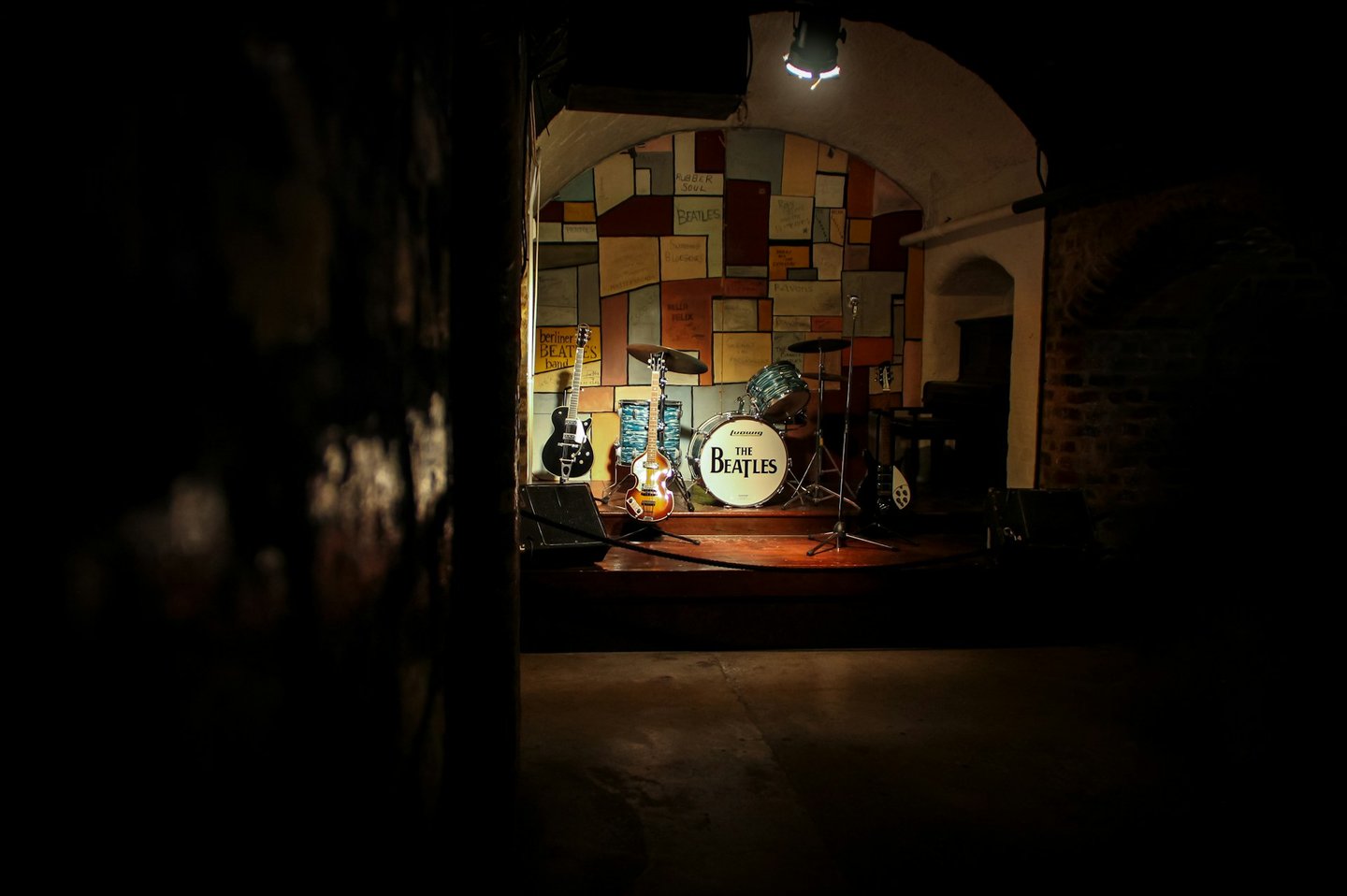
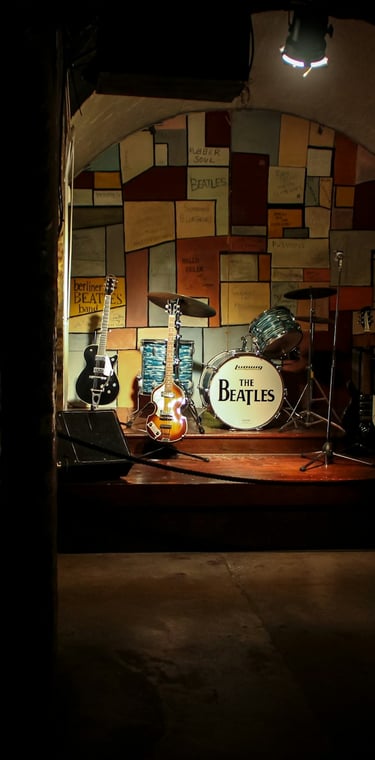
Click on the image to explore the tour:




Get in touch
Note: Our Social Networks links will be available soon
Film stills appearing on A‑Z LiteraTours are reproduced solely for critical commentary and educational analysis under Canada’s fair‑dealing framework. All rights to the original works remain with their copyright owners.

Click on the image below to see Terms & Conditions:
Cinematic & Literary Travel Experiences by A‑Z LiteraTours